December 26th
Kwanzaa
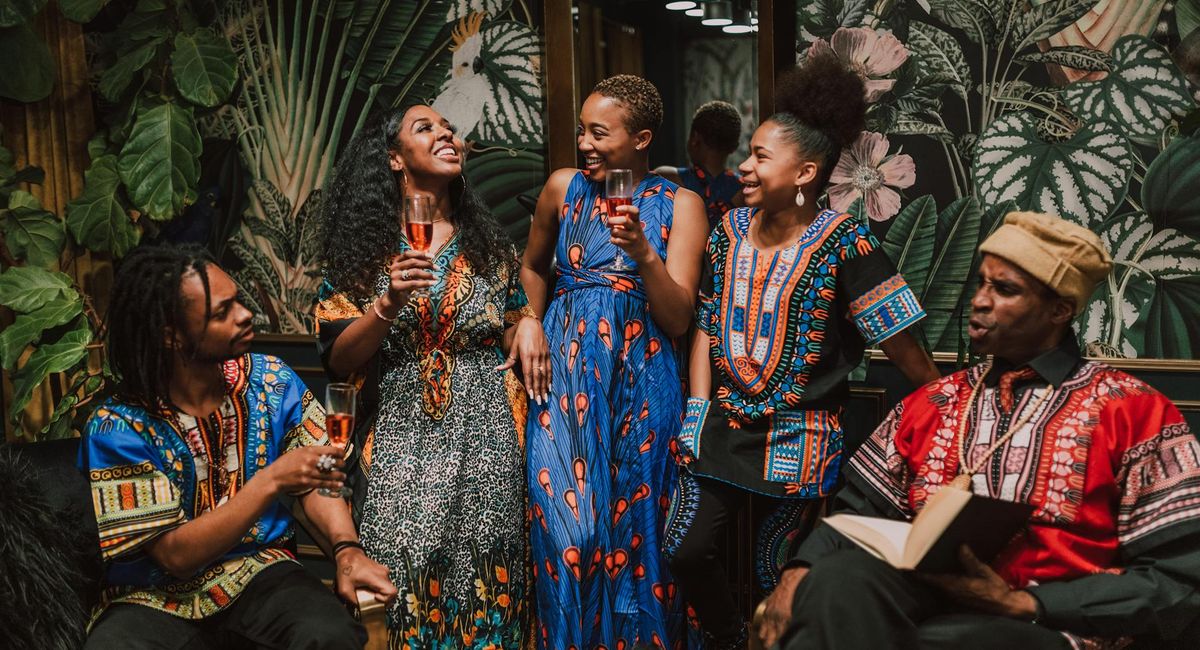
Kwanzaa is a cultural holiday celebrated primarily in the United States from December 26 to January 1. It was created by Dr. Maulana Karenga in 1966 as a way for African Americans to honor their African heritage and reinforce community values. The name "Kwanzaa" is derived from the Swahili phrase "matunda ya kwanza," which means "first fruits," reflecting the holiday's roots in traditional African harvest festivals. Kwanzaa is based on seven core principles, known as the Nguzo Saba, which emphasize community, family, and culture: 1. Umoja (Unity): To strive for and maintain unity in the family, community, nation, and race. 2. Kujichagulia (Self-Determination): To define and name ourselves, create and speak for ourselves. 3. Ujima (Collective Work and Responsibility): To build and maintain our community together and make our brothers' and sisters' problems our problems and solve them together. 4. Ujamaa (Cooperative Economics): To build and maintain our own stores, shops, and other businesses and to profit from them together. 5. Nia (Purpose): To make our collective vocation the building and developing of our community in order to restore our people to their traditional greatness. 6. Kuumba (Creativity): To always do as much as we can, in the way we can, in order to leave our community more beautiful and beneficial than we inherited it. 7. Imani (Faith): To believe with all our heart in our people, our parents, our teachers, our leaders, and the righteousness and victory of our struggle. During Kwanzaa, families gather to celebrate through activities such as lighting the Kinara (a candle holder with seven candles), discussing the Nguzo Saba, sharing meals, and exchanging gifts. Each day of Kwanzaa is dedicated to one of the principles, and a candle is lit to symbolize it. The colors of Kwanzaa are red, black, and green, representing the struggle, the people, and the future and hope, respectively.